Italian Pastina Soup
There is something universally healing about a bowl of warm, golden broth filled with tiny pasta stars or spheres. I made this Italian Pastina soup recently when the weather turned gray, and it immediately filled my kitchen with the comforting aroma of simmering vegetables and savory chicken.
It’s often called “Italian Pastina Soup” for a reason; one spoonful feels like a gentle remedy for the soul and body alike. I love how the broth becomes silky and rich from the pureed vegetables, hiding a nutritional punch inside a meal that feels like pure indulgence.
It’s the kind of recipe that reminds me that sometimes, the simplest ingredients create the most profound comfort.
Ingredients
- 2 tablespoons Extra Virgin Olive Oil: Use a good quality oil for the base; it adds a fruitiness that sautéing in butter alone won’t provide.
- 1 tablespoon Butter: Adding a pat of butter with the oil prevents burning and adds a creamy richness to the sautéed veggies.
- 1 large Onion: Dice this small; it provides the savory backbone of the broth and sweetens significantly as it cooks.
- 1 large Shallot: Finely chopped; shallots offer a delicate, slightly sweet flavor that bridges the gap between onion and garlic.
- 4 stalks Celery: Diced small; celery adds essential aromatic freshness and a subtle saltiness to the soup base.
- 1 large Yellow Bell Pepper: Diced small; this is the secret ingredient for that beautiful golden color and a touch of sweetness.
- 4 medium Cloves Garlic: Minced; always use fresh garlic cloves rather than jarred for the most potent, aromatic kick.
- 8 cups Low-Sodium Chicken Broth: Using low-sodium allows you to control the salt level yourself; buy the best quality you can afford.
- 1 pound Carrots: Diced small; these add sweetness and body to the soup once they are pureed.
- 1 Parmesan Rind (Optional): If you have one, toss it in the simmering broth to infuse a deep, nutty umami flavor that salt can’t mimic.
- 1 ½ teaspoons Kosher Salt: Essential for waking up all the flavors; adjust this according to your palate at the end.
- ⅓ cup Uncooked Pastina: You can use acini de pepe, stelline (stars), or orzo; these tiny shapes cook quickly and are fun to eat.
- 2 ½ – 3 cups Rotisserie Chicken: Shredded or chopped; using pre-cooked chicken saves time and adds great texture.
- Fresh Rosemary and/or Thyme: Finely chopped for garnish; fresh herbs add a burst of brightness that dried herbs lack.
- Grated Parmesan: Freshly grated is best for melting smoothly on top of the hot soup.
Note: This recipe yields approximately 10 servings.
Variations
- Vegetarian Version: Simply swap the chicken broth for a robust vegetable stock and omit the rotisserie chicken; you can add white beans like cannellini for protein instead.
- Lemon Freshness: Squeeze half a lemon into the pot right before serving to brighten the heavy savory notes with a hit of acid.
- Greens Galore: Stir in two handfuls of fresh baby spinach or chopped kale during the last minute of cooking for added color and iron.
- Gluten-Free: Substitute the traditional wheat pastina with a gluten-free small pasta variety or even quinoa for a similar texture.
Cooking Time
- Prep Time: 20 minutes
- Cooking Time: 35 minutes
- Total Time: 55 minutes
Equipment
- Large Dutch Oven or Soup Pot: Heavy-bottomed pots conduct heat evenly, preventing the vegetables from scorching during the sauté.
- Sharp Chef’s Knife: Essential for efficiently dicing the mirepoix (onion, celery, carrots) into uniform pieces.
- Immersion Blender (Stick Blender): The easiest way to puree the soup directly in the pot without transferring hot liquid.
- Slotted Spoon: Used to reserve some of the cooked vegetables for texture before blending the rest.
- Wooden Spoon: Perfect for stirring and scraping up any flavorful browned bits from the bottom of the pot.
How to Make Italian Pastina Soup?
Building the Flavor Base
Start by placing your large soup pot or Dutch oven over medium heat. Add the olive oil and butter, letting them melt together until shimmering. Toss in your diced onion, shallot, celery, and yellow bell pepper. Sauté these aromatics for about 4 to 5 minutes, stirring occasionally, until the onions become translucent and soft. Add the minced garlic last and cook for just another two minutes—this prevents the garlic from burning and becoming bitter while allowing its fragrance to bloom.
Simmering the Vegetables
Pour in the chicken broth and add the diced carrots, salt, and the parmesan rind if you are using one. Bring the liquid up to a boil, then immediately turn the heat down to maintain a steady, gentle simmer. Let this cook uncovered for about 20 to 25 minutes. You are looking for the carrots and other vegetables to become completely tender, as this will ensure a smooth texture when you blend them later.
Blending for Creaminess
Once the vegetables are soft, remove the parmesan rind and discard it. Use a slotted spoon to scoop out about 2 cups of the cooked vegetables and set them aside in a bowl—these will provide nice texture later. Now, take your immersion blender and puree the remaining broth and vegetables directly in the pot until completely smooth. This step transforms a standard broth into a luxurious, golden liquid that feels creamy without adding any heavy cream.
Finishing the Soup
Return the soup to a boil and stir in your uncooked pastina. Reduce the heat and let it simmer according to the package directions (usually about 9 minutes for acini de pepe). Once the pasta is tender, stir in the shredded rotisserie chicken and the reserved vegetables you set aside earlier. Turn off the heat, cover the pot, and let it rest for 20 minutes. This resting period allows the flavors to marry and the pasta to absorb just the right amount of broth.
Additional Tips for Making this Recipe Better
- I highly recommend not skipping the resting step at the end; it allows the starch from the pasta to slightly thicken the soup, giving it a velvety mouthfeel that is absolutely delicious.
- If you don’t have an immersion blender, you can use a regular blender, but please be careful blending hot liquids—remove the center cap of the lid and cover with a towel to let steam escape so it doesn’t explode.
- Save your parmesan rinds in the freezer specifically for soups like this; they last forever frozen and are a “secret weapon” for adding professional-level depth to homemade broths.
- Be mindful of the pasta quantity; pastina expands significantly as it sits in the liquid, so adding too much can turn your soup into a stew or casserole texture very quickly.
- Taste, taste, taste! Before serving, try a spoonful and see if it needs a pinch more salt or a grind of black pepper; proper seasoning makes the difference between bland and brilliant.
How to Serve Italian Pastina Soup?
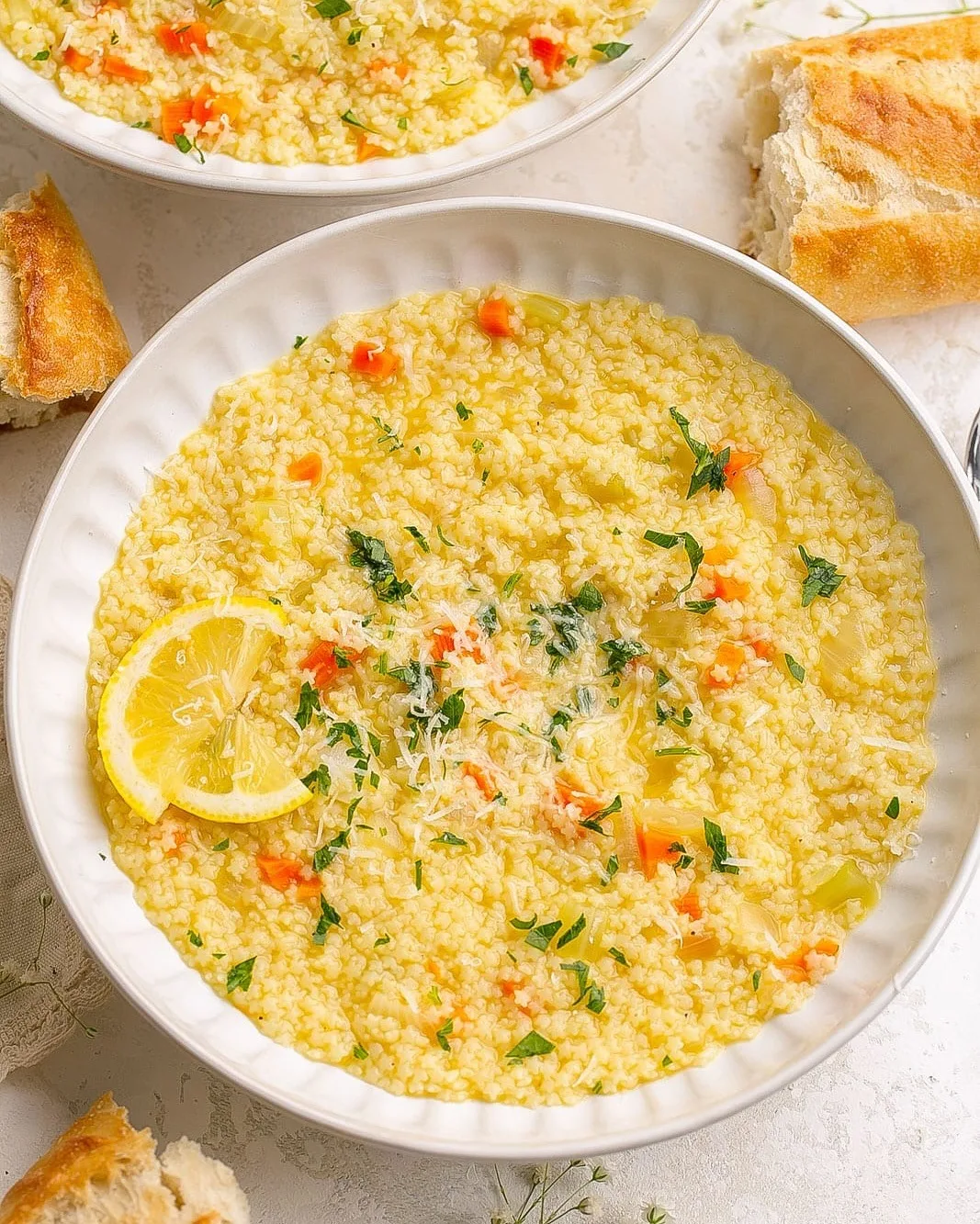
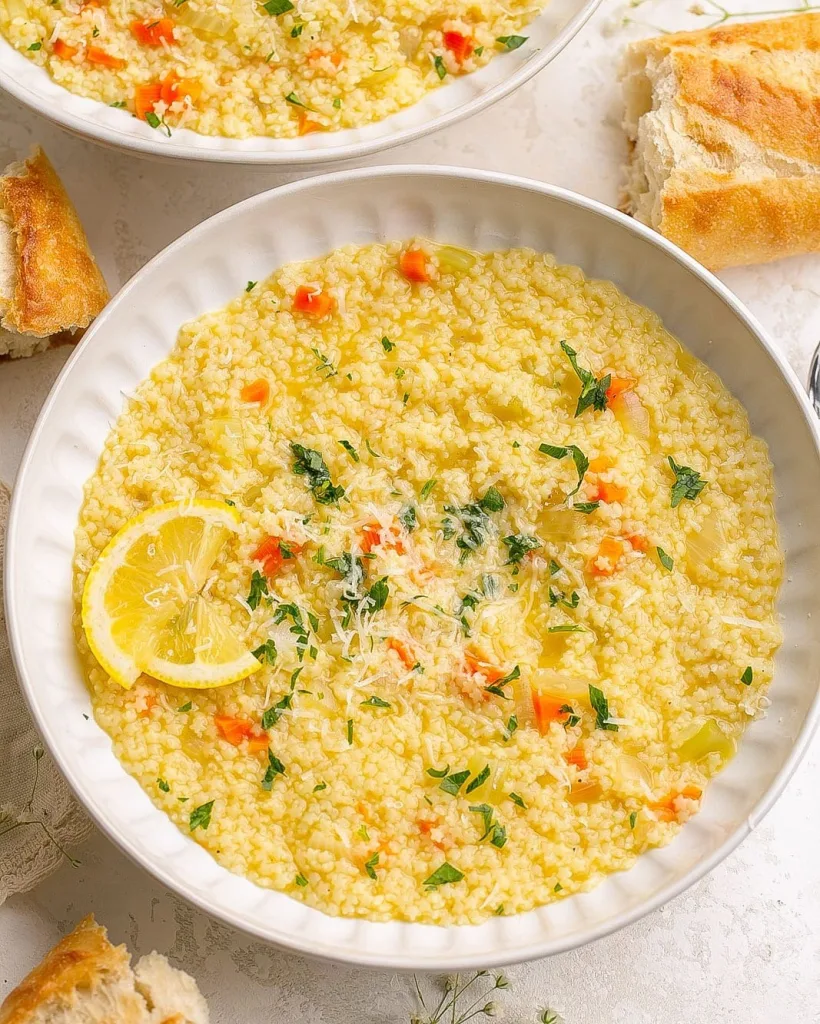
Serve this soup piping hot in wide, shallow bowls to show off the beautiful golden color. A generous dusting of freshly grated Parmesan cheese is non-negotiable for that salty, nutty finish. Sprinkle fresh chopped rosemary or thyme on top for a pop of green and an herbal aroma that hits you before you take the first bite. Pair it with a slice of crusty Italian bread or focaccia to mop up every last drop of the silky broth.

Nutritional Information
- Calories: Approximately 142 kcal
- Protein: 10g
- Carbohydrates: 14g
- Fat: 6g
Make Ahead and Storage
Refrigerator Storage
This soup stores beautifully in the fridge for up to 3-4 days in an airtight container. The pasta will continue to absorb liquid as it sits, so the soup will likely thicken into a stew-like consistency by the next day.
Freezing Instructions
You can freeze this soup, but for best results, I recommend freezing the vegetable base before adding the pasta. Freezing cooked pasta can sometimes result in a mushy texture upon thawing. If freezing the finished soup, it will last for up to 3 months.
Reheating
To reheat, place the soup in a pot over medium heat. Because the pasta absorbs broth, you will almost certainly need to add a splash of water or extra chicken stock to loosen it up and return it to a soup consistency.
Why You’ll Love This Recipe?
- Sneaky Vegetables: By pureeing the base, you are eating a huge amount of carrots, celery, and peppers without even realizing it—perfect for picky eaters.
- Ultimate Comfort Food: It replicates the nostalgic, healing feeling of chicken noodle soup but with a richer, more flavorful broth.
- Time-Saving Protein: Using rotisserie chicken means you skip the step of cooking raw meat, cutting your active kitchen time significantly.
- Budget-Friendly: The bulk of this recipe relies on affordable root vegetables and dried pasta, making it an economical choice that feels gourmet.
- Naturally Creamy: You get a luxurious, thick texture solely from the vegetables, keeping it lighter than cream-based chowders or bisques.